As of November 2023, the prison population in Chile reaches 55,000 people, while in December 2022 the number was 45,000. This has led to prison overcrowding, violence, marginalization, and stigmatization of those deprived of liberty, affecting mostly young people in peripheral neighborhoods, their families, and communities.
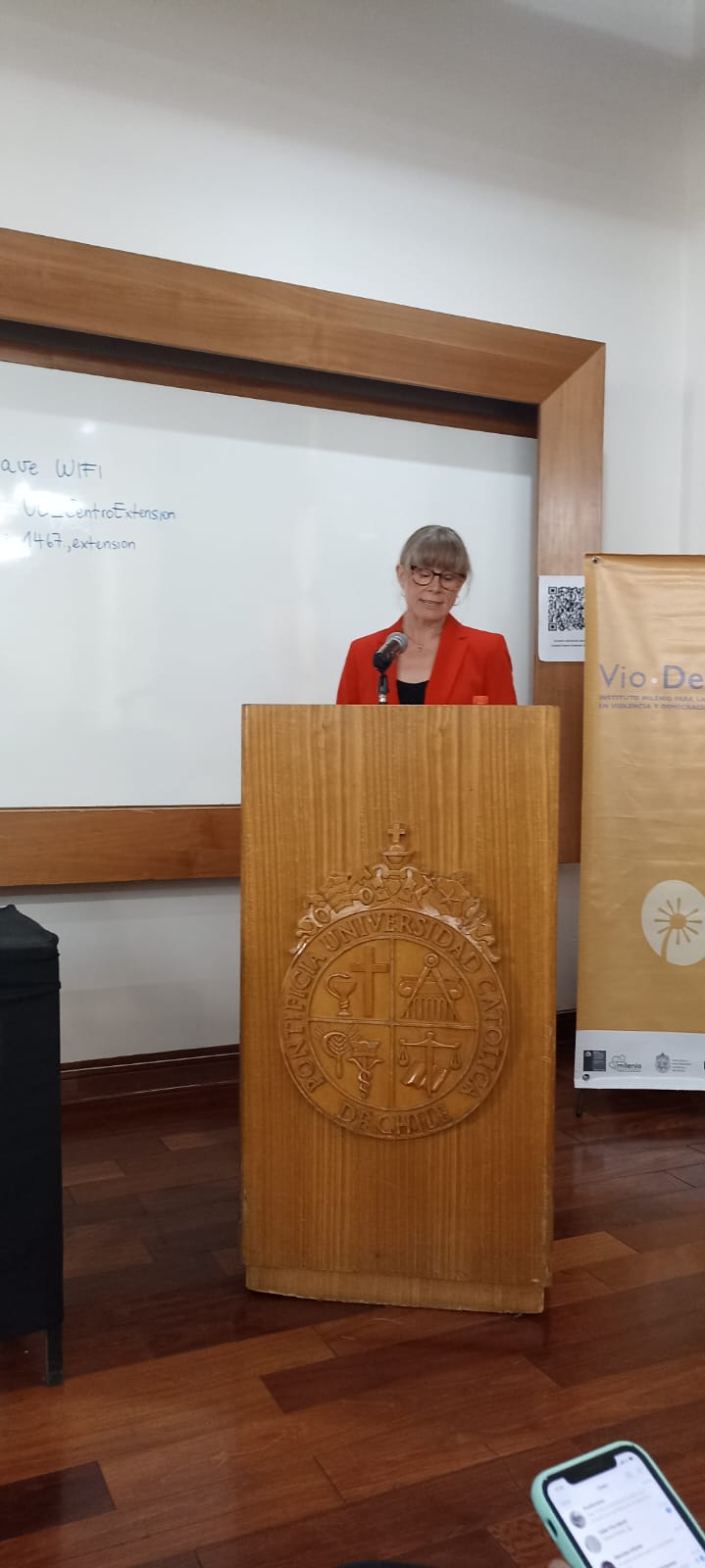
“Faced with this concern, scientific and social collaboration invites us to ask ourselves what and who is punished with confinement and repression, how confinement in prison has become a multiplier of violence, and what our common horizon is to build a fairer and more democratic society,” she pointed out Angel Aedo, Acting Director(s) of VioDemos.
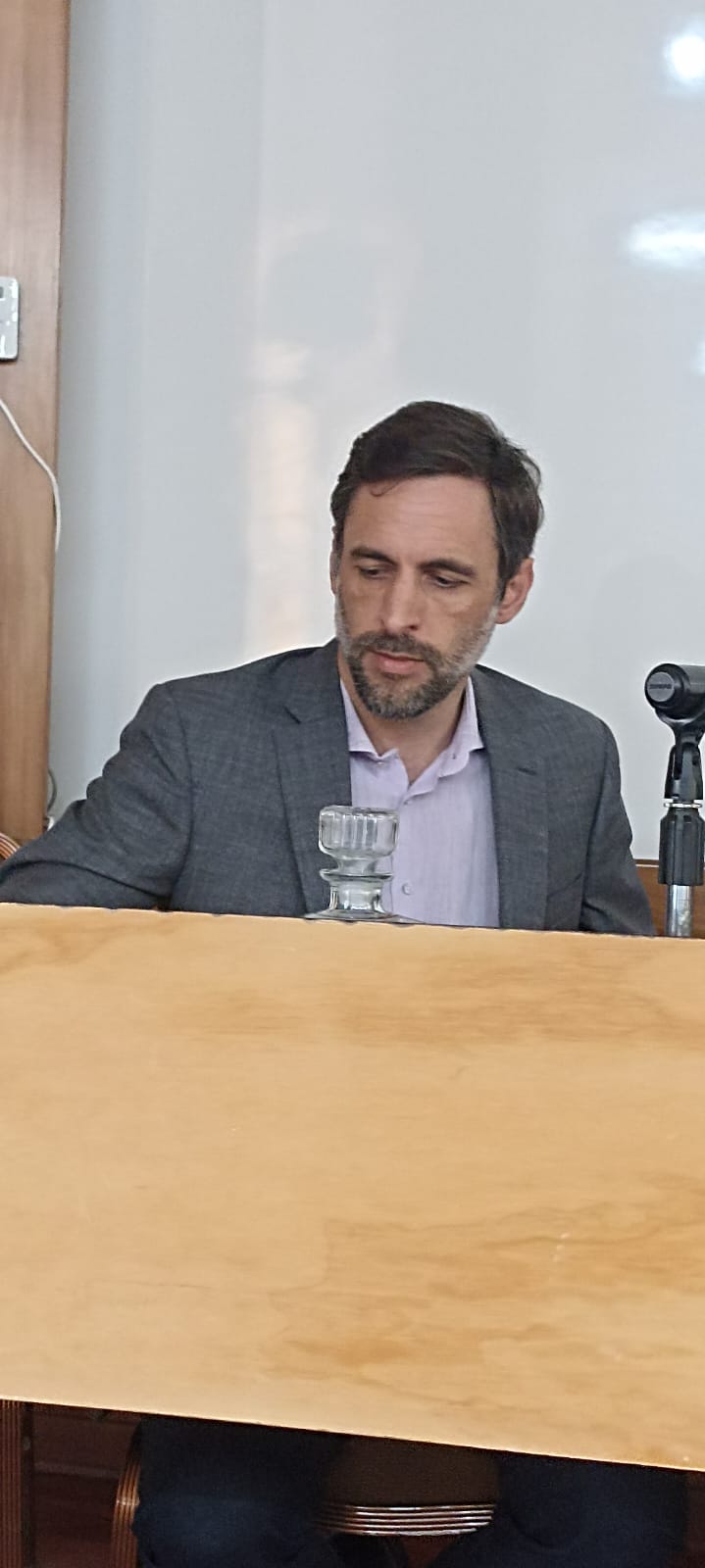
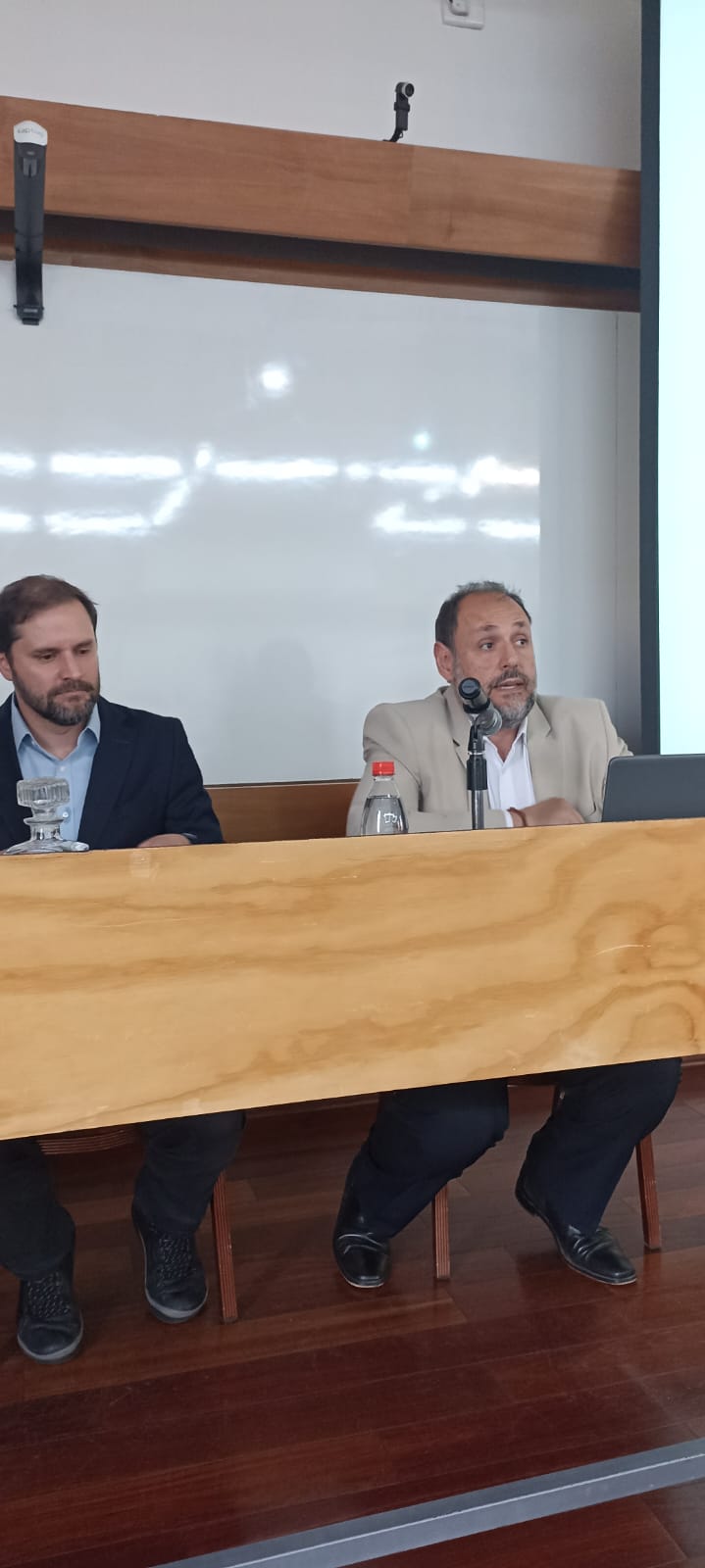
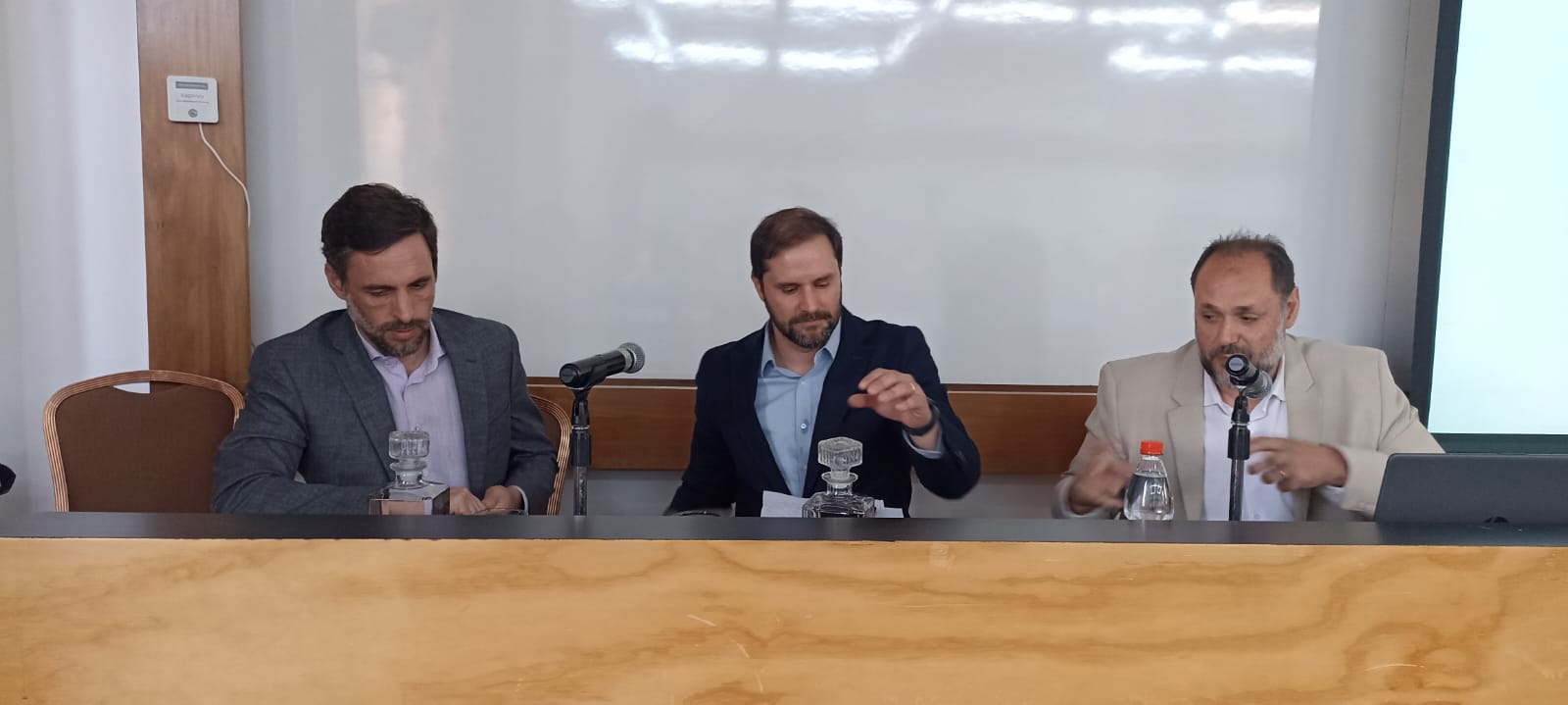
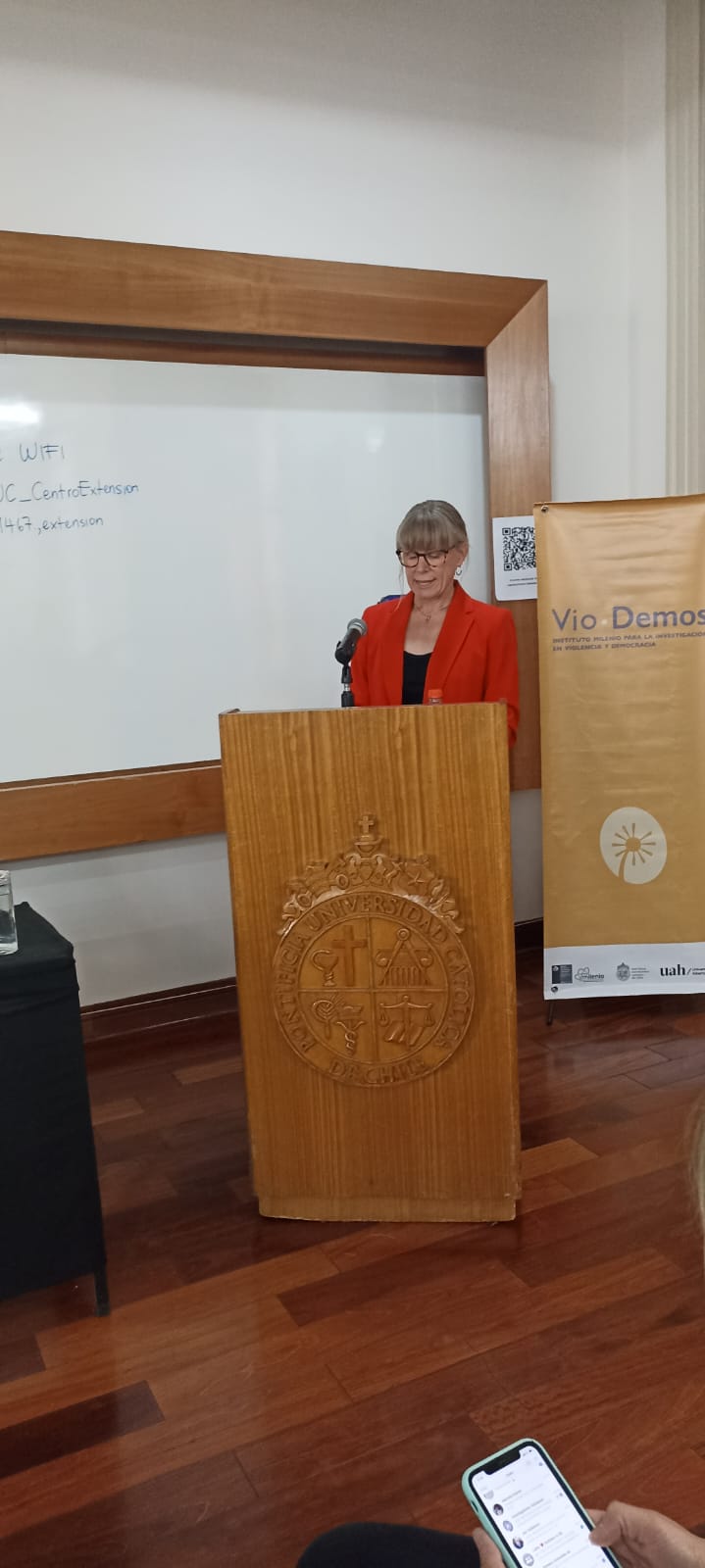
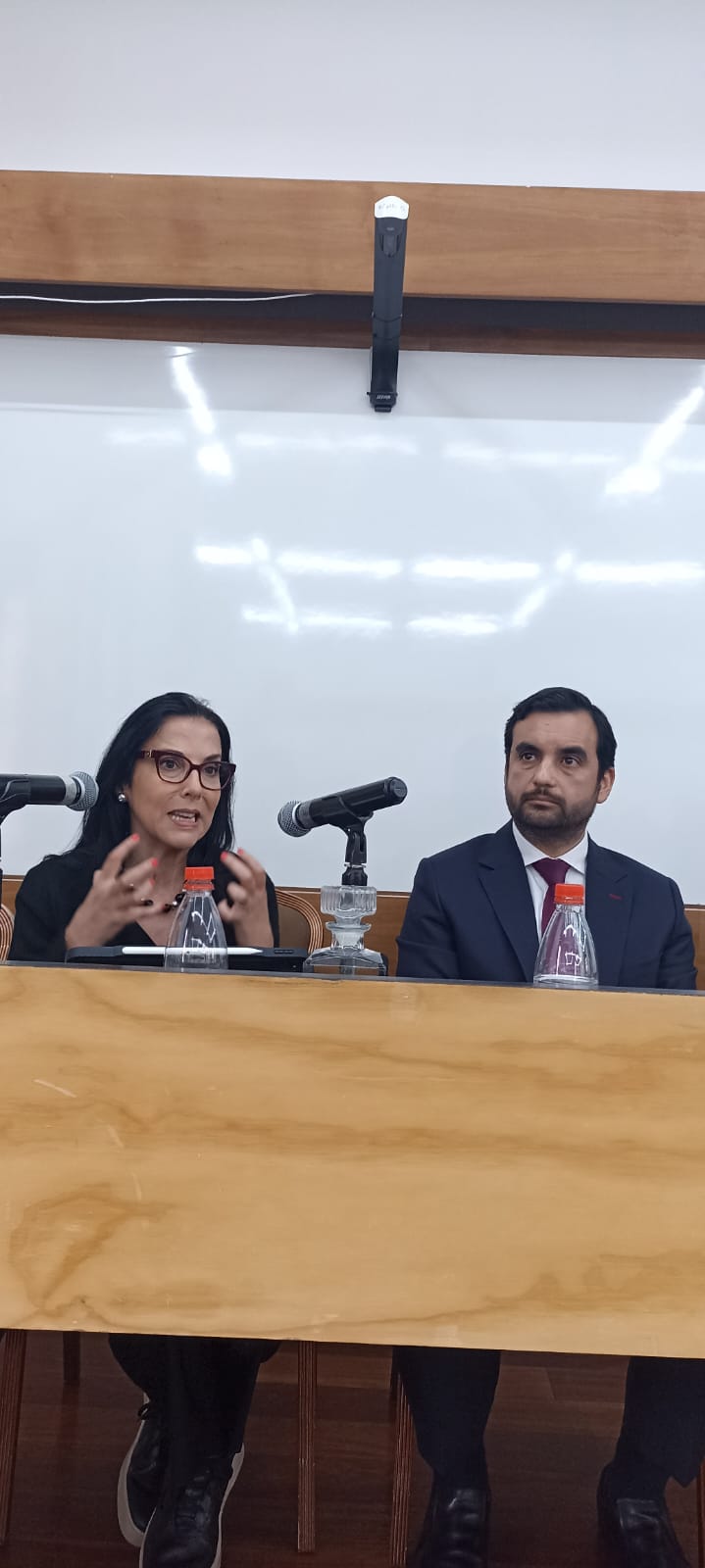
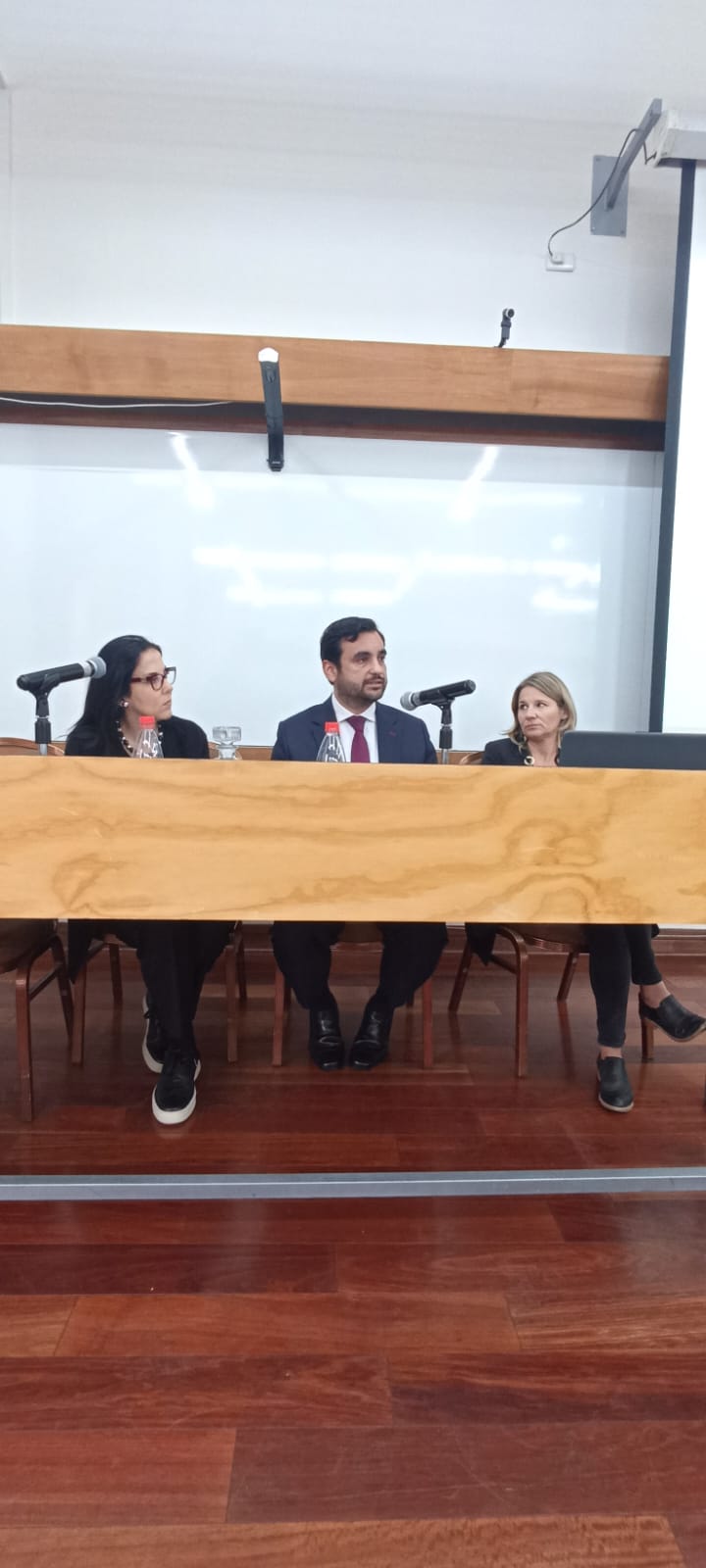
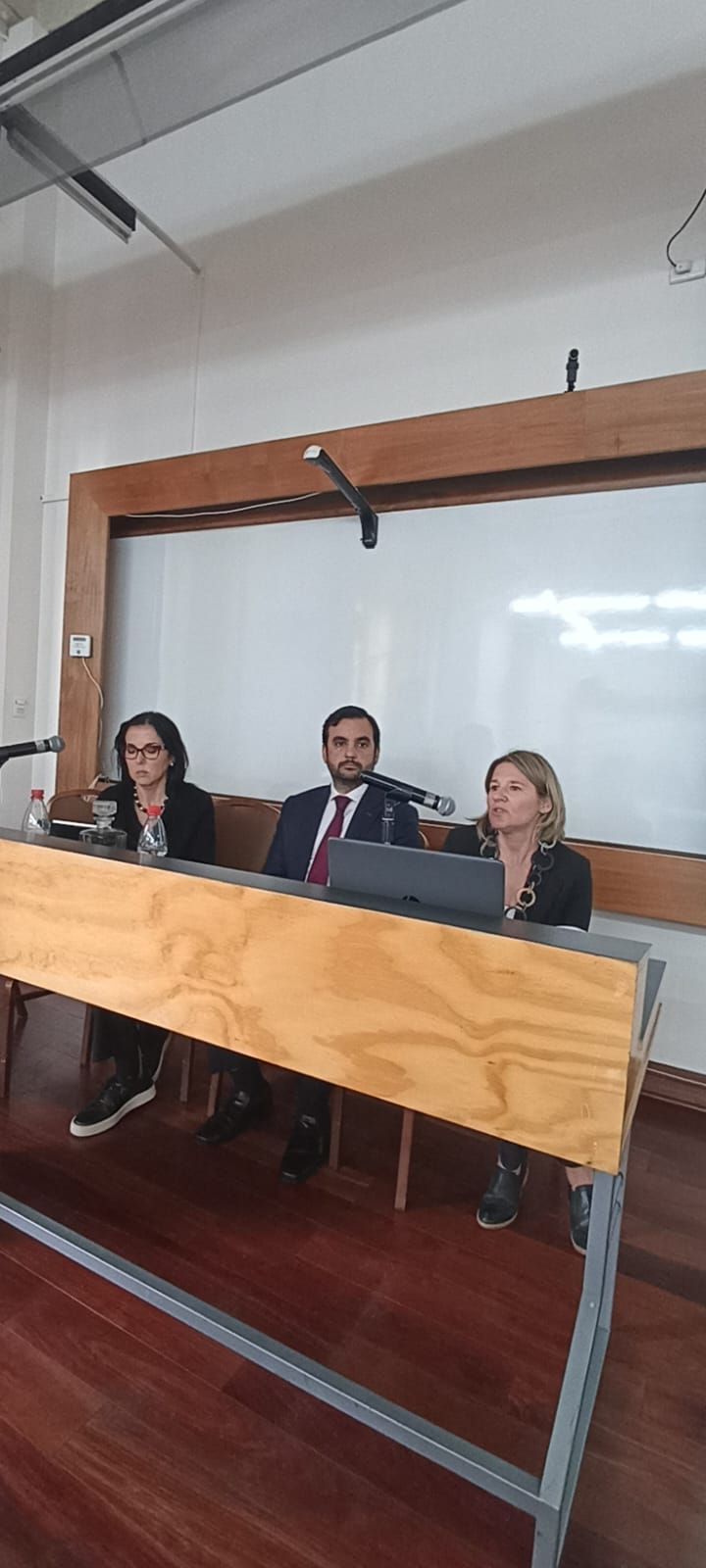
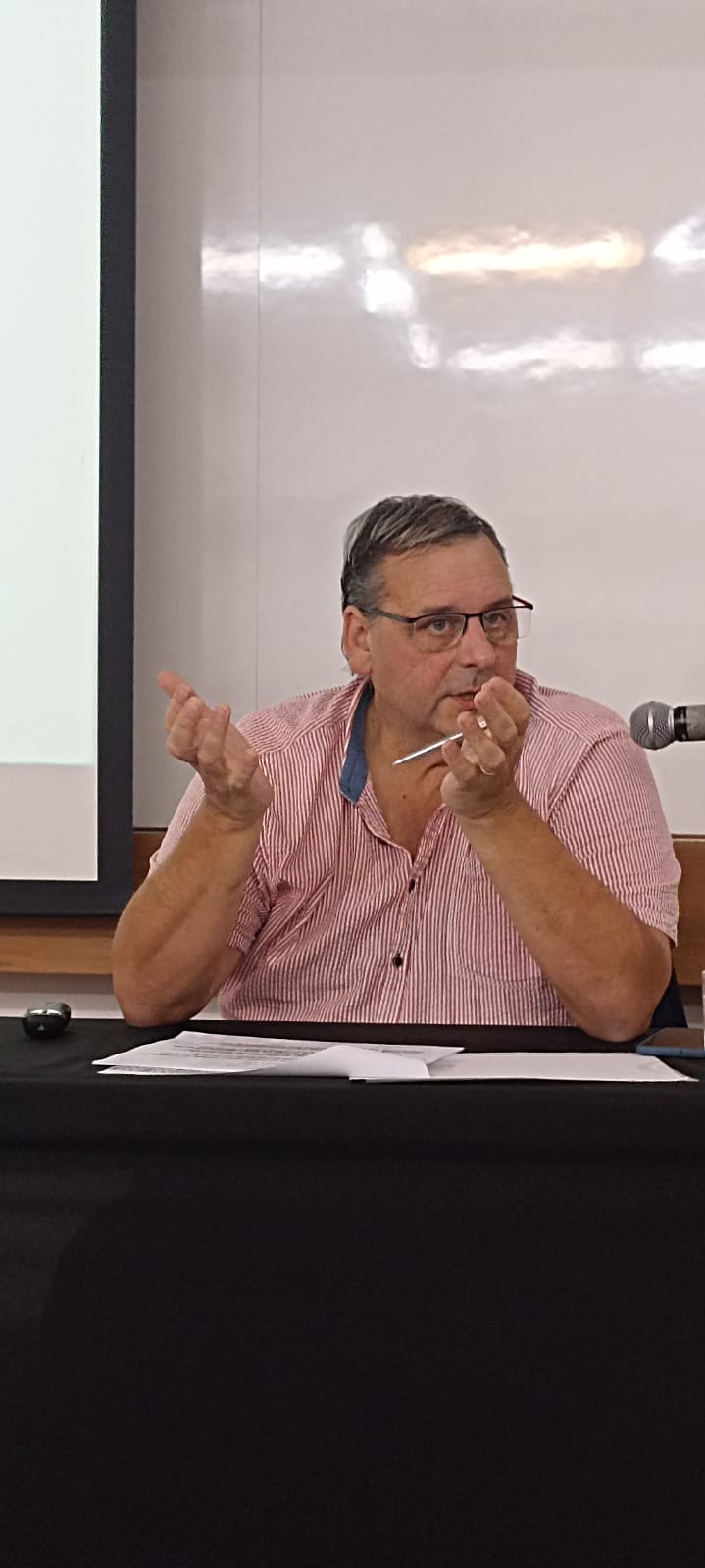
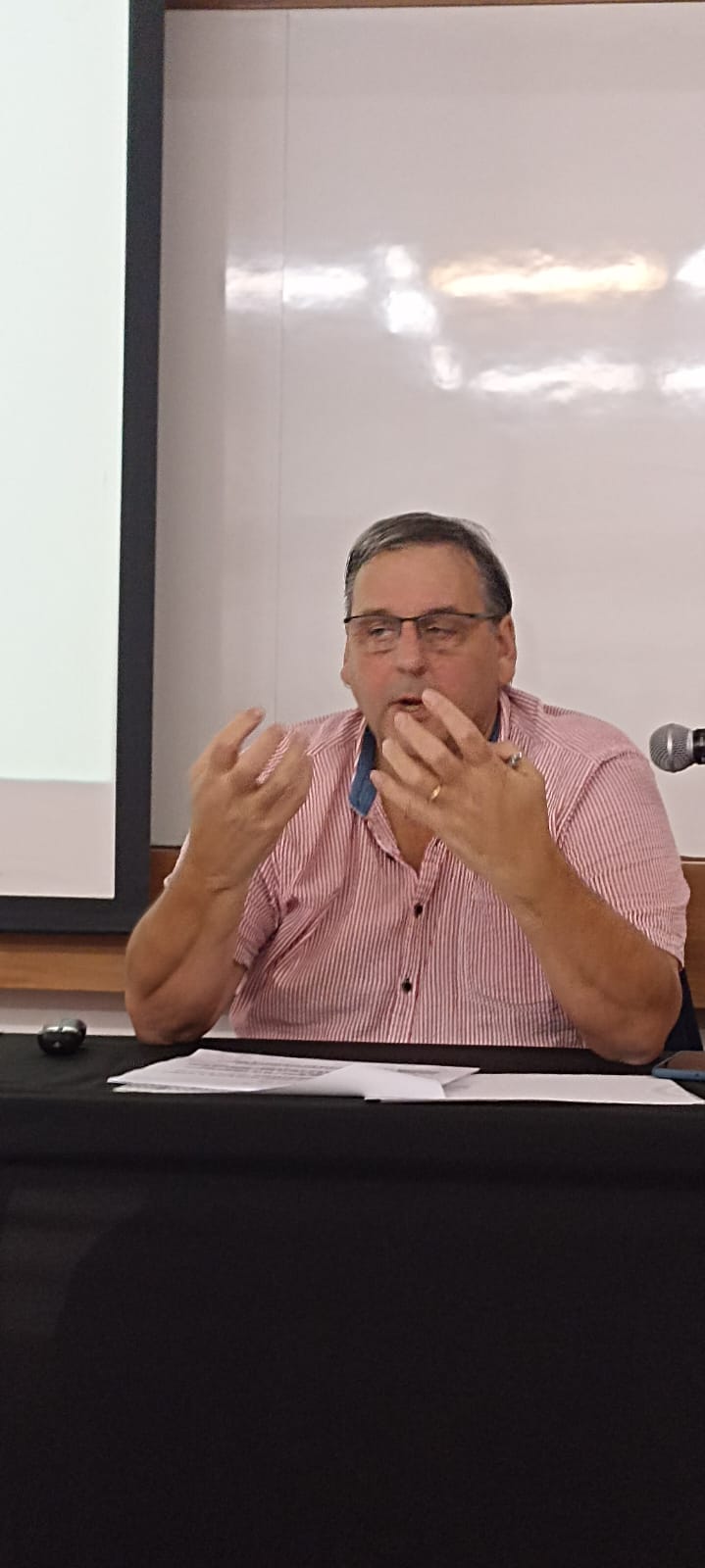
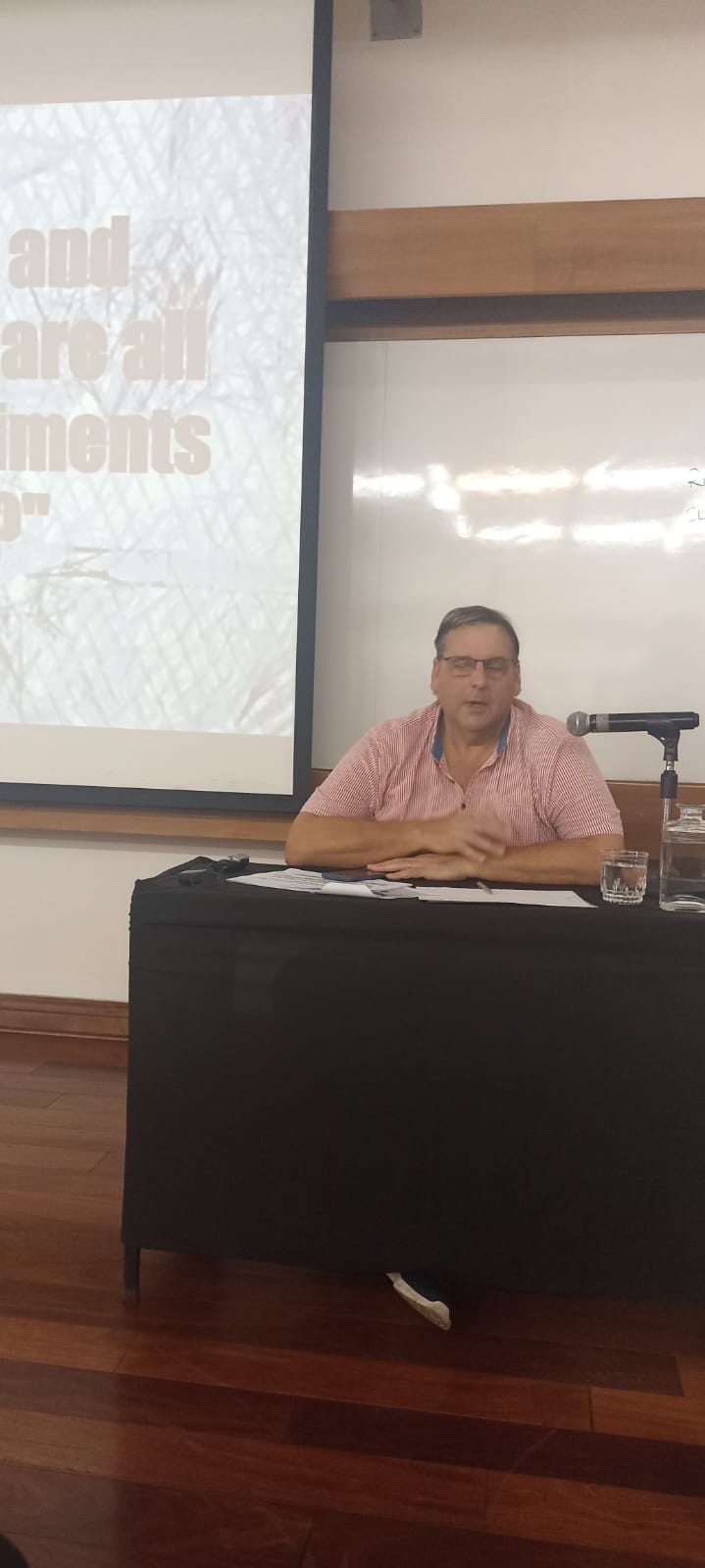
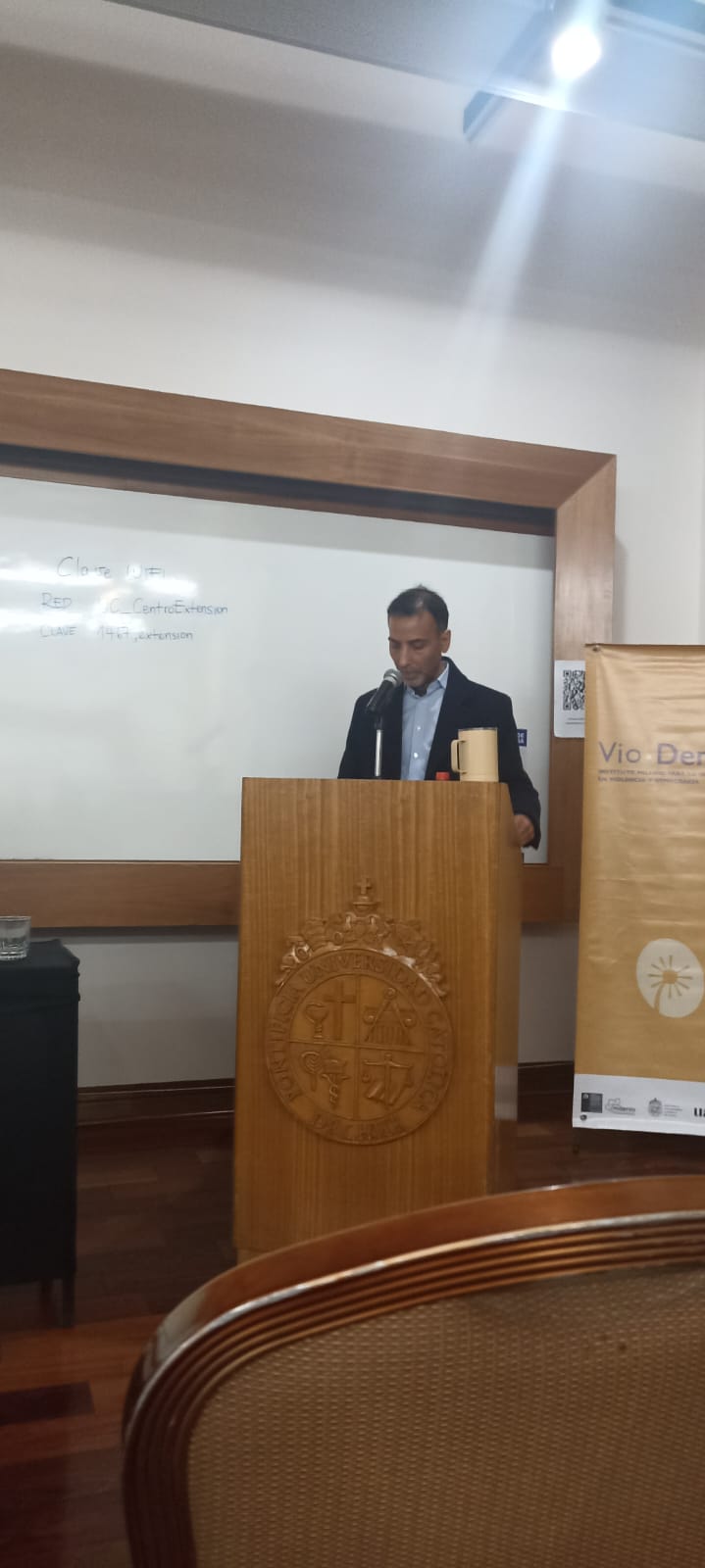
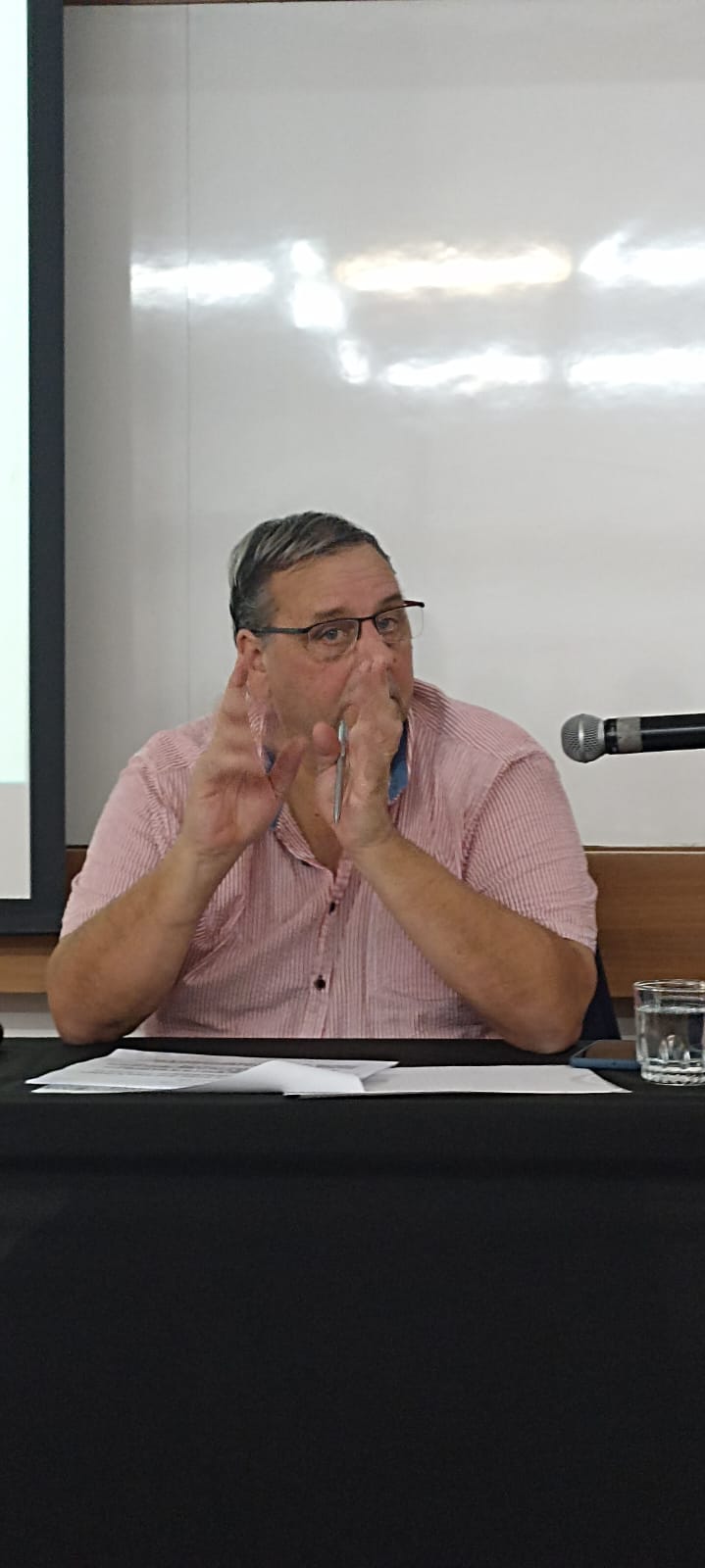
The International Seminar: “Crime and Public Agendas: The Risks of Punitivism”, organized by the Millennium Institute for Research on Violence and Democracy, VioDemos, and the UC Center for Justice and Society Studies, featured two lectures by international researchers who analyzed punitivism from different perspectives: Richard Sparks from Edinburgh Law School and Michelle Bonner from the University of Victoria.
The strategy of punitive populism
For Michelle Bonner, punitivism is a strategy that focuses on the division between citizens (the good guys) and criminals (the bad guys). Generally used by leaders and political authorities of any political affiliation, this punitive discourse is articulated through populism in order to win elections and gain popular support.
“Punitive populism is fear based on public opinion as an emotional response, rather than choosing the best responses from experts. In this case, criminals are a threat that is controlled with exclusion and popular violence, the researcher explains.
“It is an instrumental, moral, and emotional discourse that operates on the basis of representations and ideologies,” he/she commented Jaime Gajardo, Undersecretary of Justice of the Ministry of Justice and Human Rights, who participated in the panel. “The increase in punitive demand, which characterizes discourse and social reaction to crime, is a trend among citizens and in the face of various political actors. Today we see demands for more and harsher punishments for those who commit crimes.”.
Given that crime and insecurity are issues that concern the population, these arguments are used regardless of whether crime rates are high or low. As Bonner explained, these are political decisions that come into tension with human rights, especially regarding punishment in prisons.
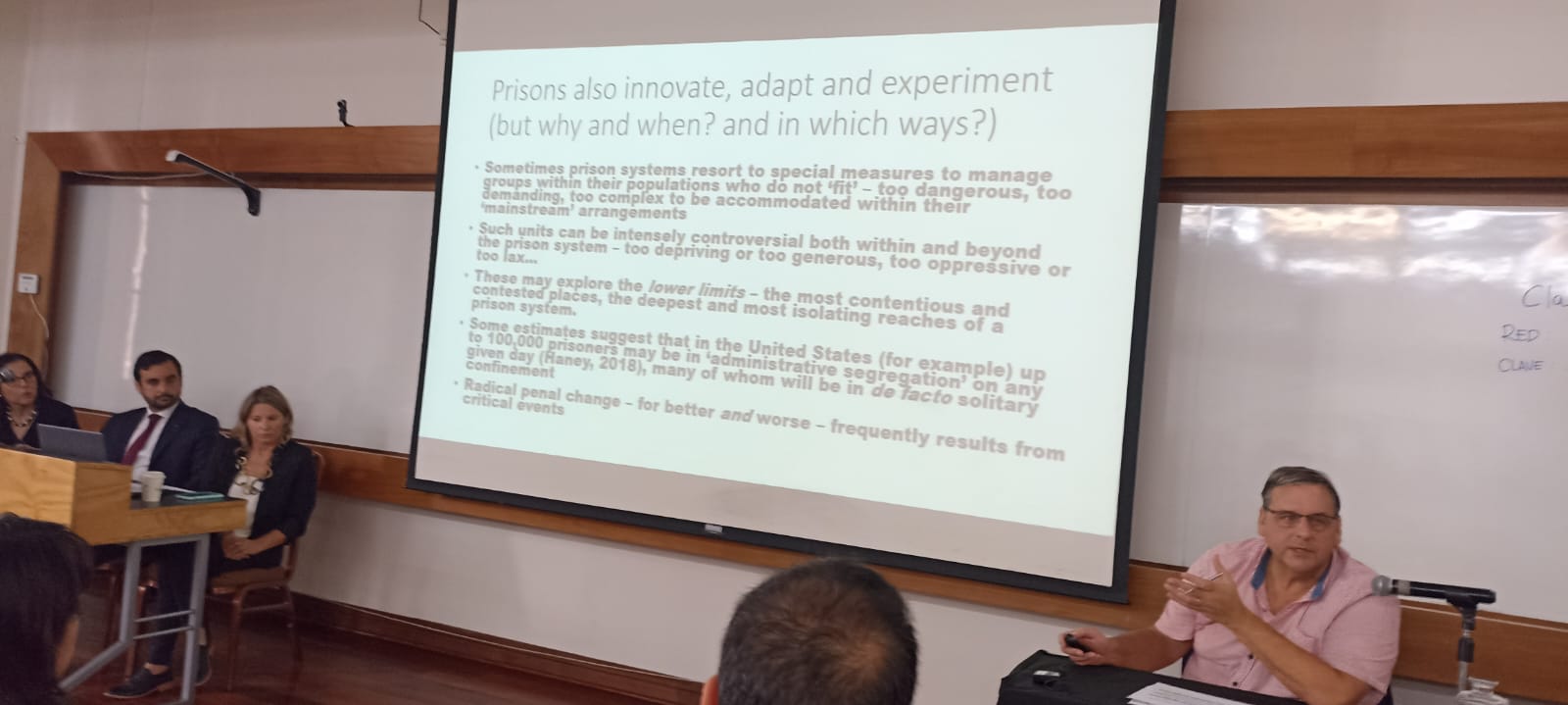
Regarding the characteristics of prison regimes, Richard Sparks he considers it necessary to understand the phenomenon in a situated way, since not all prisons are the same. “Any comparative statement is substantial and interesting, and we can find many practices in different prison regimes in various countries. In Europe and Latin America there are important differences, therefore, also significant consequences regarding what it means to live and work in these institutions,” the researcher pointed out.
At the same time, consider that punitive discourse is multidimensional and is not reduced to the question of how many inmates exist in a penitentiary center—although overcrowding is a relevant fact—rather, it is related to strategic and sentimental aspects provided to us by the culture of penal practice.
Even so, one of the ways prison systems change this culture is in response to crisis situations. “We generally use this word loosely to describe a persistent problem that can result in many ways, whether these are some forms of conflict, individual or collective. Therefore, to implement new measures, it is important to address the different realities of prisons.”.
The role of media and social networks in the face of punitivism
In this sense, it is worth asking about the role that different media outlets and digital platforms play in the perception of this phenomenon, as well as in the meanings cultivated in society regarding insecurity, criminality, and prison.
Bonner, based on research in Chile and Argentina, argued that market-driven media reforms (privatization and especially deregulation) in both countries changed the daily communication practices of journalists, state actors, and civil society actors in a way that favors the advance of punitive populism.
Media deregulation includes reductions in regulations on the amount and scope of properties a media company can have, as well as the reduction or elimination of regulations that favor or support content important for democracy, but not commercially viable, such as watchdog reporting, local news, or perspectives of minority or marginalized groups.
“The media play an important role in our democracy; however, when these channels are used without a critical approach, the results can be undemocratic,” Bonner pointed out. In this regard, he called attention to two situations: the scarcity of investigative journalism in the media and the increase in public relations as a source of news.
In this regard, he highlighted the role of police communication offices as sources of information. Previously, such units did not exist and/or there was no technology that today allows for capturing live images of crimes.
Daniel Matamala, Chilevisión journalist and La Tercera columnist agreed that there are different actors and information that allow all news to be constructed, specifically those related to crime, such as the Prosecutor's Office, municipal security teams, and also the police.
However, he emphasized that the sensationalization of crime does not depend on coverage alone, but also on the conditions in which that crime begins to be reported and recorded: “Today, the emotional impact on the audience is greater because we show them how the criminal act happened in detail, and therefore, it contributes to exacerbating discourses that are easier, punitive, and demagogic regarding punitivism,” he pointed out.
“The media has an effect; I cannot ignore the role of social media regarding the perception of crime,” he added Jaime Bellolio, former Minister Secretary-General of the Presidency and Director of the Territorial Observatory of the UNAB Institute of Public Policies. “This is because there are more witnesses to the same criminal act. The presence of more witnesses is a factor that increases the sense of insecurity.”.
For Patricia Pérez, Judge of the Inter-American Court of Human Rights (2022-2027), this phenomenon on digital platforms is quite alarming, especially because a certain indifference is established toward those who find themselves in situations of deprivation of liberty.
“We all have in our minds these social media groups that celebrate when people are arrested, or the comments surrounding the execution of a young woman on public streets because of her criminal record. And far from being something repudiated, it is something that has quite a few followers. This fear of the other has a characteristic that allows for objectifying this other and explains why it is simpler to demand more hardline policies,” Pérez indicated.
Following the presentation, as final reflections, the panelists pointed to bringing to light how we think about prison, “particularly in Chile, where different experiences have allowed us to view it differently,” she commented Catalina Droppelmann, VioDemos researcher and Director of the UC Center for Justice and Society Studies.
«We had the uprising that allowed us to think about the role of democracy in prisons; constitutional discussions that allowed us to hold town halls in prisons; a pandemic that made us wonder about the similarities between those inside and outside, since for the first time we also found ourselves locked up. These are quite a few historical-political events that we have experienced in recent years and that invite us to think about prison and discuss its consequences.
Revive it International Seminar “Crime and Public Agendas: The risks of punitivism.”.